Looking After Staff Health and Safety When They Travel for Work

Work-related travel is a normal part of business for many employees—whether it’s attending meetings, visiting clients, carrying out site inspections, or working off-site for extended periods. But too often, health and safety (H&S) responsibilities get overlooked the moment staff leave the office or site.
Under the Health and Safety at Work etc. Act 1974, employers have a legal duty to ensure, so far as is reasonably practicable, the health, safety and welfare of their employees wherever they’re working—including while travelling.
This blog explains how you can protect staff who travel for work, reduce risk, and meet your legal obligations.
✈️ What Counts as “Work-Related Travel”?
Health and safety duties apply to a range of work travel situations, including:
- Driving between business sites or client premises
- Attending off-site meetings or conferences
- Overseas business trips
- Overnight stays for work
- Site visits (e.g., construction, healthcare, inspections)
- Field-based or peripatetic work
Commutes to and from a permanent place of work usually aren’t covered—but travel during work hours or as part of the role is.
⚖️ What Are the Employer’s Legal Responsibilities?
Employers must:
- Assess risks associated with travel
- Provide safe systems of work (e.g. travel policies, itineraries)
- Ensure vehicles or modes of travel are safe and appropriate
- Offer appropriate training and information
- Protect staff from foreseeable risks, including fatigue, lone working, or medical issues
- Provide adequate support and emergency arrangements
This applies to full-time staff, part-time workers, and contractors.
️ Key Areas to Manage for Safe Work Travel
1. Risk Assessment for Travel
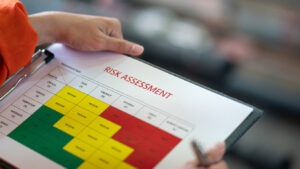
Before staff travel, especially for higher-risk or unfamiliar destinations, conduct a travel-specific risk assessment covering:
- Mode of transport
- Destination risks (e.g., crime, weather, political unrest)
- Lone working
- Medical concerns
- Fatigue and working hours
- Emergency contacts and procedures
A formal risk assessment isn’t always needed for routine travel, but you must still manage foreseeable risks.
2. Driving for Work
Driving is one of the most significant work-related risks. Employers must:
- Ensure drivers have a valid licence and are fit to drive
- Check vehicles are roadworthy, insured for business use, and maintained
- Avoid unrealistic schedules that encourage speeding or fatigue
- Encourage regular breaks on long journeys
- Provide guidance on safe driving, distractions, weather conditions, etc.
Consider whether personal vehicles are being used for business travel and ensure they’re covered appropriately.
3. Overseas Travel
International business trips involve additional risks such as:
- Local laws and customs
- Language barriers
- Political or civil unrest
- Medical care access
- Vaccination and visa requirements
Before sending staff abroad:
- Check Foreign Office travel advice
- Provide a travel briefing
- Ensure they have travel insurance and health cover
- Establish a check-in and contact procedure
4. Lone and Remote Working
Staff travelling alone or to remote areas face unique risks. Employers should:
- Implement a lone working policy
- Provide lone worker devices or apps with GPS/check-in features
- Ensure regular contact is maintained
- Identify support options in case of illness, breakdown, or emergency
Even within the UK, remote or rural travel can pose significant risks if not planned properly.
5. Health and Wellbeing while Travelling
Frequent or long-distance travel can affect employees’:
- Sleep and fatigue
- Stress levels
- Diet and hydration
- Mental wellbeing
- Work-life balance
Support your staff with:
- Realistic travel expectations (avoid late-night flights followed by early meetings)
- Access to healthy food and rest options
- Policies that encourage rest and recovery between trips
- A culture that allows staff to raise concerns without fear of reprisal.
Practical Tips for Employers
- Develop a Work Travel Policy outlining expectations, procedures, and safety measures
- Ensure travel bookings (hotels, transport) meet minimum safety standards
- Keep a central log of travel plans and emergency contacts
- Encourage staff to report near misses or unsafe experiences
- Provide training on safe travel, lone working, and incident reporting
Final Thoughts
When staff travel for work, your duty of care doesn’t stop at the office door. By proactively managing travel-related risks and supporting employee wellbeing, you not only meet legal requirements—you also build a culture of trust, safety, and responsibility.

About Us
Westminster Compliance was established to provide a more personal, proactive health and safety consultancy that would keep businesses working and compliant with ever-changing legislation.
Our presentations and training are interesting and fun because we want our clients to buy into health and safety, and definitely not to see it as a boring, unnecessary nuisance. We know that our best service is provided to small and medium sized organisations and have developed a system that works in most industries.
We stick with straightforward language, keeping away from jargon, and do not make ridiculous promises. Most importantly, we realise that we are working with human beings.