Health & Safety in the Age of AI: Why Human Expertise Still Matters
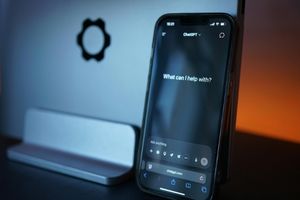
Artificial intelligence is becoming part of everyday working life. From drafting emails and summarising documents to answering questions in seconds, AI can be an incredibly useful tool, and health and safety is no exception.
Ask an AI tool about risk assessments, RIDDOR, COSHH or the Health and Safety at Work etc. Act 1974 and it can provide a useful starting point. It can explain terminology, highlight areas to research and make complex information easier to understand.
But there is an important difference between providing health and safety information and applying it correctly to a real workplace.
The Health and Safety Executive (HSE) estimates that workplace injuries and new cases of work-related ill health cost Great Britain around £22.9 billion in 2023/24. Of this, £16.4 billion was associated with ill health and £6.5 billion with workplace injury.
With such significant human and financial consequences, knowing when technology can help, and when human expertise is needed, is important.
Information is Not the Same as Understanding Your Workplace
UK health and safety legislation is deliberately broad in many areas. Rather than prescribing exactly what every business must do, it generally requires employers to identify their risks and put appropriate, proportionate measures in place.
One important principle is doing what is “reasonably practicable” to protect people.
AI can explain what that phrase means. What it cannot do is see how your business operates and determine whether the arrangements you have in place are suitable for the risks actually present.
A health and safety advisor can:
- Visit your premises and observe how work is really being carried out
- Speak to managers and employees about the challenges they face
- Identify hazards that may not have been mentioned in an AI prompt
- Consider your industry, workforce, equipment and management structure
- Recommend controls that are practical and proportionate to your circumstances
That workplace-specific understanding matters. HSE guidance on using health and safety consultants specifically warns that generic advice can fail to identify and control key risks and says that identifying risks can be difficult without visiting the workplace.
The Value of Knowing Your Business
AI works with the information it is given. If an important detail is missing from the question, the response may not take that detail into consideration.
A long-term relationship with a health and safety advisor works differently.
The more an advisor works with a company, the more they understand its premises, employees, equipment, working practices and management arrangements. As the organisation changes, its health and safety support can change with it.
At Westminster Compliance, our ongoing support clients have a dedicated account manager who gets to know their organisation. This also helps provide continuity when responsibilities change internally.
This knowledge is difficult to replicate through a standalone AI conversation.
More Than Policies and Paperwork
Good health and safety management is not simply about producing documents.
Risk assessments, policies, procedures, inspection records and training plans are all important, but they need to reflect what happens in practice.
A competent advisor can help develop those arrangements and then return through inspections and audits to check whether they are actually being followed.
They can also challenge decisions.
If an advisor sees an unsafe working practice or believes an existing control is inadequate, they can raise the issue directly with management, explain why it presents a concern and recommend action.
That human interaction can be particularly important when commercial pressures, established habits or differences of opinion are influencing a decision.
Someone to Speak to When the Unexpected Happens
Not every health and safety situation can be reduced to a straightforward question and answer.
Imagine, for example, that:
- An employee has been injured and you are unsure whether the incident is reportable
- Two managers disagree about whether a particular activity is safe
- An employee raises a concern about working conditions
- A near miss reveals a problem you had not previously considered
- An enforcement officer arrives unexpectedly at your premises
An AI tool may be able to provide general information on each situation. What it cannot provide in the same way is a conversation with someone who already knows the business, can ask follow-up questions and can help you work through the circumstances as they develop.
Sometimes what a business needs is not another page of information. It needs a competent person who can listen, challenge where necessary and provide a clear way forward.
Keeping Health & Safety Arrangements Current
Health and safety requirements do not stand still.
Legislation, official guidance, standards and industry practices develop over time. Changes within the business itself, such as new equipment, premises, processes or employees, can also mean existing arrangements need to be reviewed.
An ongoing advisor can monitor relevant developments and help identify when policies, risk assessments, training or supporting documentation need updating.
AI can help with research, particularly when it has access to reliable and current sources. However, businesses should be cautious about assuming that a general AI tool will automatically monitor the regulatory landscape or proactively tell them when a change affects their organisation.
IOSH has also highlighted the growing role AI can play in workplace health and safety, from risk assessment and incident analysis to predictive maintenance. However, it also warns of risks such as poor-quality data, automation bias and over-reliance on technology, reinforcing the importance of human judgement, worker engagement and professional accountability remaining at the heart of safety.
So the question is not whether AI belongs in health and safety, it is what businesses should rely on it for.
When an Inspector Arrives, Human Support Matters
The difference becomes even clearer when a business is dealing with an enforcement authority.
If you receive an unexpected visit from an HSE, Local Authority or Fire Enforcement Officer, an experienced advisor can help you understand what is being requested, review the relevant documentation and support you in responding.
Where appropriate, they can also attend your premises and help discuss matters with the enforcement officer.
This can be particularly valuable because enforcement action can have serious consequences. In 2024/25, HSE completed 246 criminal prosecutions with a 96% conviction rate, with more than £33 million awarded in fines.
An advisor who already understands your organisation can explain the reasoning behind particular arrangements, help gather evidence and provide professional context where required. If a matter progresses further, a human advisor can also explain the advice they gave and the professional reasoning behind it.
Of course, appointing an advisor does not transfer an employer’s legal responsibilities. Managing health and safety remains the employer’s legal duty even where outside support is used.
Does AI Have a Place in Health & Safety?
Yes, when it is used appropriately.
AI can be useful for:
- Explaining unfamiliar terminology
- Providing an introduction to legislation or guidance
- Generating ideas and questions to explore
- Helping to structure information
- Pointing users towards areas that may require further research
But it should not be confused with competent, workplace-specific advice.
A health and safety advisor can see your workplace, understand your organisation over time, question unsafe practices, monitor whether arrangements are working and support you when something unexpected happens.
AI can help you find information. A good health and safety advisor can help you decide what that information means for your business and what you should do next.
Need Expert Health & Safety Support?
At Westminster Compliance, we work with businesses to make health and safety practical, proportionate and manageable. Whether you need ongoing compliance support, workplace audits, policies and risk assessments, training guidance or assistance following an incident or enforcement visit, our friendly advisors are here to help.
If you would like the reassurance of having an experienced health and safety professional who understands your business and its risks, contact Westminster Compliance today to discuss how we can support your organisation.
Related E-Learning Courses:
About Us
Westminster Compliance was established to provide a more personal, proactive health and safety consultancy that would keep businesses working and compliant with ever-changing legislation.
Our presentations and training are interesting and fun because we want our clients to buy into health and safety, and definitely not to see it as a boring, unnecessary nuisance. We know that our best service is provided to small and medium sized organisations and have developed a system that works in most industries.
We stick with straightforward language, keeping away from jargon, and do not make ridiculous promises. Most importantly, we realise that we are working with human beings.