No Falls Week 18 – 22 May 2026: Simple Steps to Prevent Falls When Working From Height
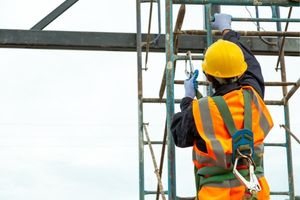
Falls from height remain one of the leading causes of serious injuries and fatalities in the workplace. Whether it’s a short task on a stepladder or complex work on scaffolding, the risks are real, but they are also preventable. No Falls Week (18–22 May 2026) is a dedicated campaign to raise awareness and reduce accidents caused by working at height, you can read more about their work and access useful information here. This awareness week is an opportunity for businesses to review their safety practices, reinforce training, and take practical steps to protect their teams.
Why Working at Height Safety Matters
According to the Health and Safety Executive (HSE), falls from height consistently account for a significant proportion of workplace fatalities in the UK. These incidents can happen in any sector: construction, warehousing, facilities management, retail, manufacturing, and even office environments. Importantly, many falls occur during routine, low-duration tasks, such as:
- Changing light fittings
- Accessing storage areas
- Cleaning windows
- Conducting inspections or maintenance
The key message is simple: if you can fall, you can be injured, regardless of the height.
Simple Steps to Prevent Falls When Working From Height
1. Avoid Working at Height Where Possible
The safest way to prevent a fall is to eliminate the need to work at height altogether. Can the task be done from the ground using extendable tools? Can equipment be lowered instead of climbed to? Always start with risk elimination before considering control measures.
2. Carry Out a Suitable Risk Assessment
Before any work at height begins you should identify hazards, assess who may be harmed, evaluate the level of risk, and put appropriate control measures in place. Ensure your risk assessment is specific to the task and environment, as generic assessments often miss key details.
3. Use the Right Equipment for the Job
Ladders and stepladders are commonly misused. They are suitable for short-duration, low-risk tasks, but not for every situation. Consider whether a podium step offers better stability, scaffolding is required, powered access equipment (e.g. MEWPs) is necessary, or mobile access towers are more appropriate. All equipment must be:
- Inspected before use
- Properly maintained
- Used in accordance with manufacturer instructions
4. Ensure Competence and Training
Anyone working at height must be competent; meaning they have the necessary skills, knowledge, and experience. Supervisors should also be trained to monitor and enforce safe practices. This includes:
- Safe use of ladders and access equipment
- Understanding load limits
- Knowing how to secure and stabilise equipment
- Recognising unsafe conditions
5. Maintain Good Housekeeping
Slips and trips are a major contributor to falls. Simple measures can make a significant difference like keeping access routes clear, removing trailing cables, cleaning up spills promptly, and ensuring adequate lighting is available whilst working. Be sure to store tools securely to prevent any falling objects.
6. Protect Fragile Surfaces and Edges
Never assume a surface is load-bearing without confirmation. Roof work and elevated platforms present additional risks. For best protection, use:
- Edge protection
- Guardrails
- Toe boards
- Covers for fragile surfaces
Your Responsibility as an Employer
Under UK health and safety law, employers have a legal duty to protect employees and others from harm. Failing to manage work at height properly can result in serious injury, enforcement action, prosecution, and reputational damage. More importantly, it can change lives forever. Employers should:
- Review their work at height procedures
- Conduct refresher training
- Inspect access equipment
- Speak to employees about any near misses
- Reinforce safe behaviours on site
Even small improvements can significantly reduce risk.
Take the Next Step
No Falls Week is the perfect time to review your workplace safety arrangements and ensure your business is compliant, protected, and proactive.
If you need support with working at height risk assessments, policy developments, safety audits, or ongoing health and safety advice, contact Westminster Compliance today for expert health and safety support in the workplace. Our experienced consultants can help you reduce risk, meet your legal duties, and create a safer working environment for everyone.
Related E-Learning Courses:


About Us
Westminster Compliance was established to provide a more personal, proactive health and safety consultancy that would keep businesses working and compliant with ever-changing legislation.
Our presentations and training are interesting and fun because we want our clients to buy into health and safety, and definitely not to see it as a boring, unnecessary nuisance. We know that our best service is provided to small and medium sized organisations and have developed a system that works in most industries.
We stick with straightforward language, keeping away from jargon, and do not make ridiculous promises. Most importantly, we realise that we are working with human beings.